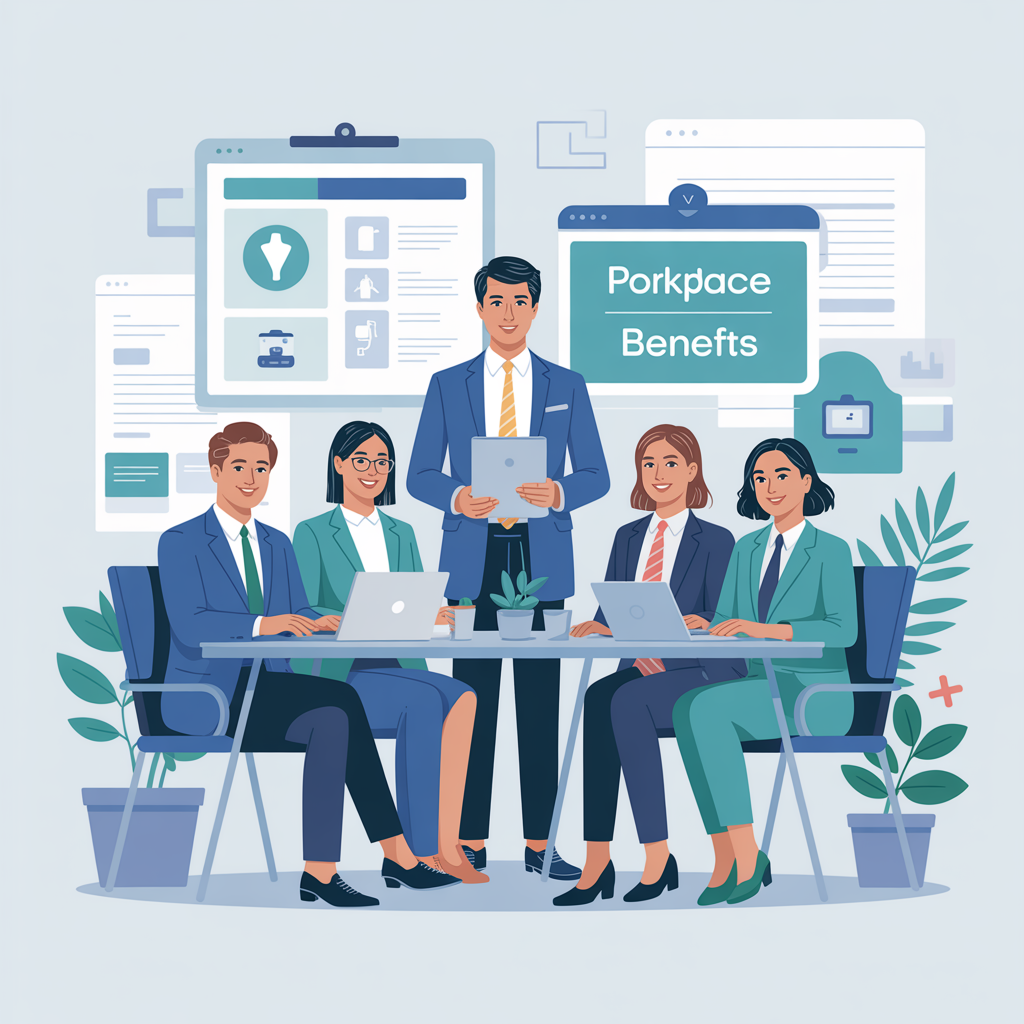
Understanding Supplemental Workplace Coverage in Modern Employee Benefit Programs
This article is provided strictly for general educational and informational purposes. It does not promote, sell, recommend, or provide financial, insurance, legal, payroll, tax, employment, or investment services. References to workplace benefit systems, providers, or administrative processes are presented solely in an informational context intended to support general understanding of employee benefit structures and terminology.
Introduction
Workplace benefit programs have evolved significantly over the past several decades. Modern employers frequently provide employees with access to a broad range of voluntary and supplemental coverage options designed to support workplace readiness, health-related planning, and administrative continuity. Educational discussions surrounding these programs have become increasingly important as organizations continue expanding employee communication resources and digital onboarding materials.
Many educational platforms discussing employee benefit ecosystems reference providers and administrative frameworks such as colonial life or coloniallife when examining how workplace coverage information is organized and communicated. In most cases, these references appear within broader conversations related to enrollment structures, employee communication practices, document accessibility, and benefit terminology.
This article explains how supplemental workplace coverage is commonly structured, how educational resources support employee understanding, and how modern organizations approach benefit communication in professional environments.
The Purpose of Supplemental Workplace Coverage
Supplemental workplace coverage generally refers to optional benefit programs offered alongside standard employer-sponsored plans. These programs may include accident-related coverage information, hospital-related support programs, wellness resources, disability education materials, and other administrative protection categories designed to complement core benefit packages.
Organizations often use supplemental programs to improve informational transparency surrounding workplace policies and benefit terminology. Educational materials associated with these programs typically focus on:
- Coverage terminology
- Enrollment timelines
- Administrative procedures
- Workplace documentation
- Eligibility categories
- Payroll deduction explanations
- Claims process overviews
- Employee resource navigation
Importantly, educational content in this area usually emphasizes understanding administrative structures rather than promoting specific products or financial outcomes.
How Employers Communicate Benefit Information
Modern employers increasingly rely on centralized communication systems to distribute benefit-related information. These systems may include employee portals, onboarding libraries, digital documents, recorded training materials, and HR information hubs.
Educational platforms discussing coloniallife-related structures frequently examine how organizations simplify complex terminology for employees during onboarding or annual enrollment periods.
Several communication approaches are commonly used in workplace environments:
Digital Benefit Libraries
Many organizations maintain internal libraries containing educational PDFs, glossary sections, administrative timelines, and benefit summaries. These resources are designed to improve consistency across departments and geographic locations.
Digital libraries often include:
- Frequently asked questions
- Eligibility charts
- Enrollment deadlines
- Policy explanation guides
- Contact directories
- Workplace terminology references
This structure allows employees to access informational content without relying exclusively on live HR interactions.
Enrollment Education Sessions
Some employers conduct informational workshops or recorded educational sessions explaining how supplemental programs function within broader workplace benefit ecosystems.
These sessions typically address:
- Administrative timelines
- Documentation requirements
- Enrollment terminology
- Employee responsibilities
- System navigation procedures
The emphasis is generally placed on operational understanding rather than individualized recommendations.
Mobile Access and Administrative Portals
As workplace systems continue modernizing, benefit communication increasingly occurs through secure digital interfaces. Educational reviews involving colonial life administrative systems frequently reference mobile accessibility, electronic documentation, and centralized employee communication tools.
Common portal features include:
- Digital document storage
- Benefit summary access
- Administrative notifications
- Secure authentication procedures
- Coverage terminology databases
- Support contact information
These platforms primarily function as information management environments rather than financial management systems.
The Role of HR Departments in Benefit Education
Human resource departments play a central role in explaining workplace coverage structures. In many organizations, HR teams act as facilitators who help employees understand administrative terminology and organizational procedures.
Educational initiatives may include:
- Orientation sessions
- Printed onboarding guides
- Workplace webinars
- Compliance documentation
- Policy clarification materials
- Enrollment checklists
When discussing providers such as coloniallife within educational contexts, HR-focused articles often examine how communication consistency affects employee understanding across large organizations.
Clear documentation is particularly important in workplaces with:
- Multiple office locations
- Shift-based workforces
- Hybrid work environments
- Seasonal staffing structures
- Union and non-union employee groups
Consistent educational communication reduces confusion surrounding terminology and administrative expectations.
Common Categories Found in Workplace Benefit Education
Educational resources discussing supplemental coverage generally organize information into several recurring categories. While structures vary by employer, common categories include:
Accident-Related Administrative Coverage
These educational materials explain how workplace or non-workplace incidents may interact with employer-sponsored documentation procedures and eligibility rules.
Topics often include:
- Incident reporting
- Documentation timelines
- Administrative coordination
- Workplace forms
Disability Education Resources
Disability-related educational content typically focuses on:
- Eligibility terminology
- Waiting periods
- Documentation standards
- Employer communication processes
These materials help employees understand procedural frameworks without offering financial guidance.
Wellness and Preventive Education
Some organizations include wellness-focused educational libraries that explain:
- Preventive care terminology
- Employee assistance resources
- Workplace health communication
- Digital wellness platforms
These sections are usually informational and policy-oriented.
Hospital and Recovery Information
Educational materials may also explain administrative coordination during extended medical absences or recovery periods. These discussions generally focus on communication procedures and workplace documentation standards.
Why Neutral Educational Content Matters
Neutral educational content has become increasingly important within workplace communication environments. Employers often seek informational resources that explain systems clearly without appearing promotional or advisory in nature.
Professional educational articles discussing coloniallife terminology or similar workplace systems commonly avoid:
- Product recommendations
- Cost comparisons
- Personal financial guidance
- Performance claims
- Promotional language
Instead, they focus on:
- Definitions
- Administrative workflows
- Documentation processes
- Organizational structures
- Workplace communication standards
This informational approach supports compliance-focused communication strategies while improving employee understanding.
Digital Trends in Workplace Benefit Education
Workplace education systems continue evolving alongside broader digital transformation initiatives. Many organizations now prioritize:
- Mobile-friendly learning content
- Simplified administrative dashboards
- Searchable terminology databases
- Digital onboarding experiences
- Video-based educational resources
Educational discussions involving colonial life administrative ecosystems frequently highlight how digital communication tools reduce informational barriers for distributed workforces.
Current trends also include:
- Interactive onboarding modules
- AI-supported document navigation
- Simplified benefit glossaries
- Multilingual workplace resources
- Accessibility-focused content design
These developments reflect broader efforts to improve workplace information accessibility across industries.
Conclusion
Supplemental workplace coverage education remains an important component of modern employee communication strategies. Organizations increasingly rely on digital systems, centralized resources, and structured educational content to explain benefit terminology and administrative processes in a professional and neutral manner.
Discussions referencing coloniallife or related workplace benefit ecosystems typically focus on communication practices, informational accessibility, and administrative clarity rather than promotional messaging. As workplace systems continue evolving, educational content will likely remain central to helping employees navigate organizational benefit structures effectively and consistently.
This article is provided strictly for general educational and informational purposes. It does not promote, sell, recommend, or provide financial, insurance, legal, payroll, tax, employment, or investment services. References to workplace benefit systems, providers, or administrative processes are presented solely in an informational context intended to support general understanding of employee benefit structures and terminology.
You May Also Like
How Employee Benefits Communication Systems Are Structured in Large Organizations
Employee Benefit Education Systems and Workplace Learning Infrastructure in Modern Organizations